US Oil Production Forecast to Increase by 7% in 2026: Market Impact
Anúncios
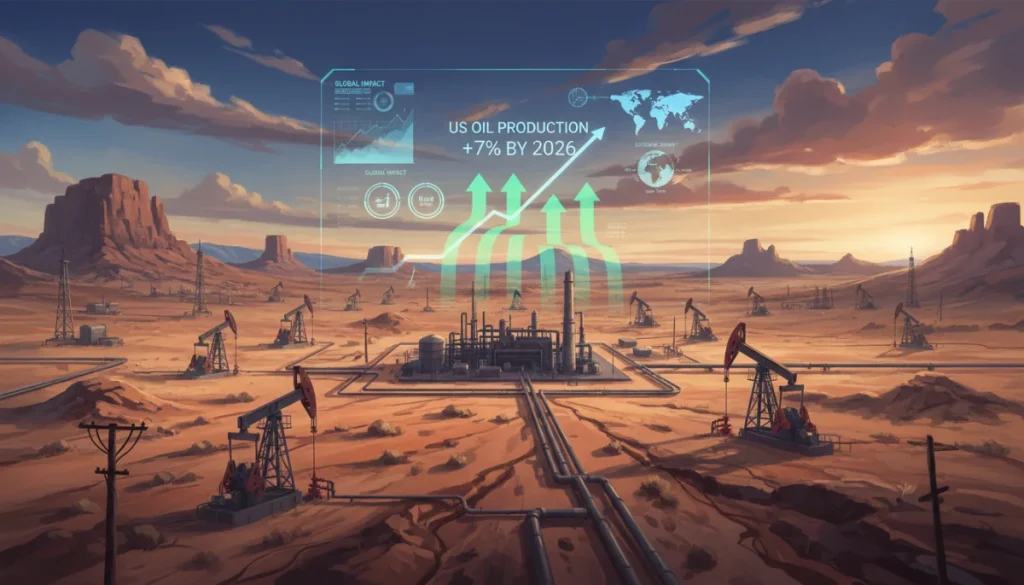
The US is projected to increase its oil production by 7% by 2026, a significant development in the energy market that will inevitably reshape global oil prices and supply dynamics.
Anúncios
The energy landscape is constantly shifting, and a recent forecast indicates a substantial change on the horizon. By 2026, the US oil production forecast is set to increase by a notable 7%, a development that promises to send ripples throughout global markets and potentially redefine international energy dynamics. This projected surge is more than just a number; it represents a complex interplay of technological advancements, policy shifts, and evolving geopolitical factors.
Understanding the Drivers Behind the US Oil Production Surge
The anticipated 7% increase in US oil production by 2026 is not an isolated event but rather the culmination of several powerful forces. Understanding these drivers is crucial to grasping the full scope of its potential impact on the global energy market. The shale revolution, for instance, continues to be a dominant factor, pushing the boundaries of what was once thought possible in oil extraction.
Anúncios
Technological innovations have played a pivotal role in unlocking vast reserves that were previously uneconomical to exploit. Advancements in hydraulic fracturing and horizontal drilling have significantly reduced costs and increased efficiency, making US shale plays highly competitive on a global scale. This relentless pursuit of efficiency has allowed producers to extract more oil from existing wells and tap into new formations with greater success.
The Role of Shale Technology and Innovation
Shale technology has fundamentally transformed the US energy sector. The ability to access oil and gas trapped in dense rock formations has turned the United States into one of the world’s leading energy producers. Continuous refinement of these techniques means that even mature shale basins can yield more, contributing substantially to the overall production increase.
- Improved drilling techniques allow for longer horizontal laterals.
- Enhanced completion methods maximize reservoir contact and yield.
- Data analytics and AI optimize well placement and production schedules.
- Reduced environmental footprint through more efficient operations.
Investment Trends and Policy Support
Another critical driver is the renewed investor confidence in the US oil and gas sector. After periods of volatility, a more stable price environment encourages capital expenditure in exploration and production. This investment is vital for funding new projects and expanding existing infrastructure.
Government policies, while sometimes contentious, also play a part. Certain regulatory frameworks and incentives can either accelerate or decelerate production growth. For the projected 7% increase to materialize, a supportive policy environment that streamlines permitting processes and encourages domestic energy independence will likely be in place.
The confluence of technological prowess, robust investment, and favorable policy conditions creates a fertile ground for the significant increase in US oil production. These elements collectively empower the US to strengthen its position as a major player in the global energy landscape, influencing everything from supply chains to geopolitical strategies.
Global Market Implications: Price Volatility and Supply Shifts
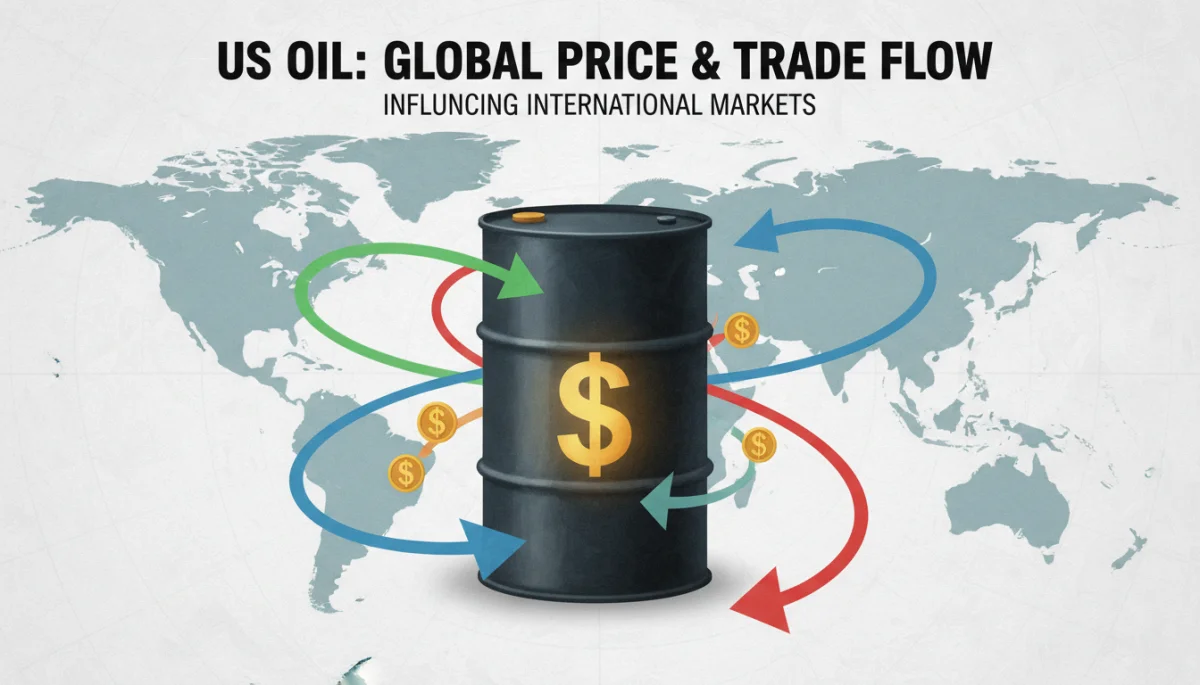
A 7% increase in US oil production by 2026 carries profound implications for the global energy market, particularly concerning price volatility and shifts in the supply landscape. When a major producer like the United States significantly boosts its output, it inevitably alters the delicate balance between supply and demand, potentially leading to a more competitive market.
Increased supply from the US can exert downward pressure on global oil prices. While beneficial for consumers and certain industries, this can create challenges for oil-exporting nations that rely heavily on higher prices to fund their national budgets. The dynamics of OPEC+ (Organization of the Petroleum Exporting Countries plus allies) might also shift, as they contend with a larger volume of non-OPEC oil entering the market.
Impact on International Oil Prices
The direct effect on international crude oil prices is perhaps the most immediate and visible consequence. A substantial increase in US supply could lead to a more oversupplied market, especially if global demand growth does not keep pace. This scenario typically results in lower per-barrel prices, impacting producers and consumers alike.
- Lower gasoline and diesel prices for consumers.
- Reduced revenue for oil-dependent economies.
- Increased competition among global oil suppliers.
- Potential for price wars if production outstrips demand significantly.
Reshaping Global Supply Chains and Trade Routes
Beyond prices, the increase in US production will likely reshape global supply chains. As the US exports more crude oil and refined products, it can alter traditional trade routes and reduce reliance on other major suppliers. This shift can enhance energy security for importing nations, offering more diverse sourcing options.
Furthermore, the increased availability of US crude could lead to a reconfiguration of refining operations worldwide. Refineries might adapt to process different grades of crude, or new investments could be directed towards areas that are more accessible to US exports. This strategic repositioning will be a key development to watch in the coming years.
The global energy market is an intricate web, and a significant increase in US oil output acts as a powerful disruptor. It promises to redefine price benchmarks, re-evaluate existing trade agreements, and potentially foster new alliances, all while pushing the industry towards greater efficiency and responsiveness.
Economic Ramifications for the United States
The projected 7% increase in US oil production by 2026 holds substantial economic ramifications for the United States itself. Domestically, this surge can translate into job creation, increased energy independence, and a boost to various sectors of the economy. However, it also brings potential challenges, such as the need for robust infrastructure development and managing environmental concerns.
From an employment perspective, a thriving oil and gas sector demands skilled labor across numerous fields, including exploration, drilling, transportation, and refining. This can stimulate local economies in oil-producing regions, leading to higher wages and increased consumer spending. The ripple effect extends to supporting industries, such as manufacturing for equipment and services.
Job Creation and Economic Growth
The expansion of oil production directly translates into a demand for more workers. This includes engineers, geologists, rig operators, truck drivers, and administrative staff. These jobs often offer competitive salaries, contributing to a stronger middle class in affected areas. The economic activity generated can also attract further investment into these regions.
Moreover, increased domestic production means less reliance on foreign oil, which can improve the US balance of trade and reduce vulnerability to geopolitical shocks in other parts of the world. This enhanced energy security is a strategic advantage that underpins national stability and economic resilience.
Infrastructure Demands and Environmental Considerations
However, such growth is not without its demands. A 7% increase requires significant investment in infrastructure, including pipelines, storage facilities, and export terminals. The timely development of this infrastructure is crucial to efficiently transport the additional oil to market, preventing bottlenecks and ensuring smooth operations.
Environmental considerations also come to the forefront. Increased production necessitates careful management of emissions, water usage, and land impact. Striking a balance between economic benefits and environmental stewardship will be a key challenge for policymakers and industry leaders. Adherence to stringent environmental regulations and the adoption of sustainable practices will be essential to mitigate potential negative impacts.
Ultimately, the increase in US oil production presents a dual opportunity: to bolster the national economy and enhance energy independence, while simultaneously navigating the complexities of infrastructure development and environmental responsibility to ensure sustainable growth.
Geopolitical Shifts and Energy Security
The forecast of a 7% increase in US oil production by 2026 is poised to trigger significant geopolitical shifts, fundamentally altering global power dynamics and enhancing the concept of energy security for many nations. As the United States strengthens its position as a dominant energy producer, its influence on international affairs grows, reshaping alliances and strategic considerations.
Energy security, for many countries, revolves around diversifying supply sources and reducing reliance on politically unstable regions. A more robust US oil supply offers importing nations an alternative, potentially reducing the leverage of traditional oil-exporting giants. This diversification can lead to more stable energy markets and greater resilience against disruptions.
US Influence on Global Energy Policy
With increased production, the US gains greater sway in global energy policy discussions. Its ability to influence supply levels can impact international agreements and exert pressure on other oil-producing nations. This expanded influence allows the US to champion its energy agenda on a global stage, potentially promoting market stability and deterring destabilizing actions by other actors.
- Ability to stabilize markets during supply disruptions.
- Increased leverage in international negotiations.
- Potential to reduce reliance on adversarial states for energy.
- Shifting power dynamics within OPEC+ and other energy forums.
Impact on Traditional Oil Exporters and Importers
For traditional oil exporters, a stronger US presence in the market means increased competition. This could force them to re-evaluate their production strategies, pricing models, and even their long-term economic diversification plans. Nations heavily reliant on oil revenues may face pressure to adapt their economies to a more competitive global energy landscape.
Conversely, oil-importing nations stand to benefit from a more diversified and potentially more affordable supply. This can reduce their energy costs, bolster their industrial competitiveness, and provide a buffer against supply shocks. The strategic advantage of having multiple reliable sources of oil cannot be overstated in today’s interconnected world.
In essence, the projected increase in US oil production is not merely an economic forecast; it is a geopolitical statement. It underscores the evolving nature of global energy power and the increasing importance of diversified, resilient supply chains in maintaining international stability and economic prosperity.
Technological Advancements and Sustainability in Oil Production
The drive for a 7% increase in US oil production by 2026 is inherently linked to ongoing technological advancements, which are not only boosting output but also addressing critical sustainability concerns. Modern oil extraction is far from the conventional practices of the past, increasingly integrating innovations aimed at efficiency, environmental responsibility, and resource optimization. This dual focus on production and sustainability is a defining characteristic of the contemporary energy sector.
New technologies are allowing producers to extract oil with a smaller environmental footprint. For example, improvements in drilling precision mean less land disturbance, while advanced water recycling techniques reduce the demand for fresh water in hydraulic fracturing operations. These innovations are crucial for maintaining public acceptance and regulatory compliance as production scales up.
Innovations in Extraction and Efficiency
The evolution of drilling and completion technologies continues to push the boundaries of what is possible. Extended reach drilling, for instance, allows a single well pad to access a much larger reservoir area, reducing the need for multiple drilling sites. Automation and digitalization are also playing a significant role.
- Real-time data analytics for optimized drilling paths.
- Automated systems for remote monitoring and control of operations.
- Enhanced oil recovery (EOR) techniques to maximize yield from mature fields.
- Modular drilling rigs that reduce setup and dismantling times.
Balancing Production Goals with Environmental Stewardship
Achieving higher production targets while adhering to environmental standards is a complex balancing act. However, the industry is increasingly investing in solutions that address these challenges head-on. Carbon capture, utilization, and storage (CCUS) technologies, while still developing, offer a pathway to reduce emissions from oil and gas operations.
Furthermore, companies are focusing on reducing methane emissions, a potent greenhouse gas, through better leak detection and repair programs. The integration of renewable energy sources, such as solar power, to run some field operations also contributes to lower overall emissions, showcasing a commitment to more sustainable practices even within fossil fuel production.
The synergy between technological innovation and sustainability efforts is vital for the future of US oil production. By leveraging cutting-edge tools and prioritizing environmental responsibility, the industry aims to meet increasing energy demands while minimizing its ecological impact, ensuring a more sustainable energy future.
Challenges and Headwinds for US Oil Production
While the forecast for a 7% increase in US oil production by 2026 is optimistic, it is crucial to acknowledge the significant challenges and headwinds that could impede this growth. The energy sector operates within a highly dynamic environment, susceptible to a multitude of factors ranging from regulatory changes to global economic fluctuations and persistent labor shortages. Navigating these obstacles will be paramount for the US to meet its projected output.
One of the primary challenges lies in the inherent volatility of global oil prices. While a stable price environment can encourage investment, sharp downturns can quickly deter new projects and lead to production cuts. The industry must constantly adapt to these price swings, which can be influenced by geopolitical events, shifts in global demand, or decisions by major oil-producing cartels.
Regulatory Landscape and Policy Uncertainty
The regulatory landscape in the United States is constantly evolving, and policy uncertainty can create significant hurdles for oil producers. Changes in environmental regulations, land use policies, or permitting processes can delay projects, increase compliance costs, and even halt operations. A stable and predictable regulatory environment is essential for long-term investment and planning.
Furthermore, differing policies at federal and state levels can create a complex patchwork of rules, making it challenging for companies operating across various regions. Advocacy groups and public opinion also play a role, often pushing for stricter environmental controls or a faster transition away from fossil fuels, which can influence policy decisions.
Labor Shortages and Supply Chain Disruptions
The oil and gas industry, like many others, faces persistent labor shortages. Attracting and retaining skilled workers, from engineers to field technicians, is a continuous challenge. An aging workforce and a perceived shift towards renewable energy can make it difficult to recruit younger talent, potentially limiting the industry’s capacity for growth.
Supply chain disruptions, as witnessed in recent years, also pose a threat. The availability and cost of critical equipment, materials, and services can impact drilling schedules and overall project economics. Geopolitical tensions, trade disputes, or even natural disasters can disrupt these vital supply lines, adding complexity and cost to production efforts.
Overcoming these challenges will require a concerted effort from industry, government, and educational institutions. Strategic planning, technological innovation, and a proactive approach to regulatory and labor issues will be essential to ensure the US can achieve its ambitious oil production targets by 2026, while maintaining its competitive edge in the global energy market.
Future Outlook and Long-Term Trends
Looking beyond the immediate forecast of a 7% increase in US oil production by 2026, it is imperative to consider the broader future outlook and long-term trends shaping the energy sector. The trajectory of US oil production is not just about meeting short-term demand; it’s about positioning the nation within a global energy transition that is both complex and inevitable. This involves understanding how oil will fit into a future dominated by decarbonization efforts and renewable energy growth.
While oil will continue to be a critical energy source for decades, its role is slowly evolving. The long-term trend indicates a gradual shift towards cleaner energy alternatives, driven by climate change concerns, technological advancements in renewables, and evolving consumer preferences. This means that even as US oil production peaks, strategic planning for a diversified energy portfolio becomes increasingly important.
The Role of US Oil in a Decarbonizing World
The paradox lies in the fact that even as the world aims to decarbonize, oil will still be necessary, particularly for sectors difficult to electrify, such as aviation, heavy-duty transport, and petrochemicals. US oil production, with its relatively lower emissions intensity compared to some international counterparts, could play a role in meeting this demand more responsibly.
- Providing essential feedstocks for industrial processes.
- Bridging the energy gap during the transition to renewables.
- Maintaining energy security during periods of geopolitical instability.
- Investing in carbon capture technologies to reduce the carbon footprint of oil.
Integration with Renewable Energy and Energy Transition
The future of US energy will likely involve a more integrated approach, where oil and gas infrastructure coexists and even supports the growth of renewable energy. For instance, existing pipeline networks could be repurposed for hydrogen transport, and oil and gas companies are increasingly investing in renewable projects, leveraging their expertise in large-scale energy development.
This transition will require significant investment in research and development for new energy technologies, as well as policies that incentivize both responsible fossil fuel production and accelerated renewable energy deployment. The long-term success of the US energy sector hinges on its ability to adapt, innovate, and integrate diverse energy sources efficiently.
In conclusion, while the 7% increase in US oil production by 2026 signals a robust near-term outlook, the industry must remain agile and forward-thinking. Successfully navigating the energy transition will involve balancing continued oil production with a strategic pivot towards a cleaner, more diversified energy future, ensuring both economic prosperity and environmental stewardship.
| Key Point | Brief Description |
|---|---|
| Production Increase | US oil production is forecast to rise by 7% by 2026, driven by technological advancements. |
| Global Price Impact | Increased supply could lead to downward pressure on global oil prices, affecting exporters and consumers. |
| Economic Benefits | Domestically, this surge could create jobs, enhance energy independence, and boost local economies. |
| Challenges Ahead | Regulatory uncertainty, labor shortages, and infrastructure demands pose significant hurdles to sustained growth. |
Frequently Asked Questions About US Oil Production
The increase is primarily driven by continuous advancements in shale technology, such as hydraulic fracturing and horizontal drilling, which enhance extraction efficiency. Additionally, renewed investor confidence and supportive government policies contribute to the expansion of drilling activities and infrastructure development across key oil-producing regions.
A 7% surge in US oil production is expected to increase global supply, potentially exerting downward pressure on international oil prices. This could lead to more affordable fuel for consumers worldwide, but it may also challenge revenue streams for other oil-exporting nations, intensifying market competition and influencing OPEC+ strategies.
Domestically, the projected increase is expected to create numerous jobs across the oil and gas sector and its supporting industries. It will also enhance US energy independence, reducing reliance on foreign oil and improving the nation’s balance of trade, thereby stimulating economic growth in various regions through increased investment and activity.
Increased production raises concerns about greenhouse gas emissions, water usage in hydraulic fracturing, and land disturbance. The industry is exploring technologies like carbon capture, utilization, and storage (CCUS) and methane reduction programs to mitigate these impacts, aiming for a balance between energy needs and environmental stewardship.
While oil production increases, the US energy sector is also investing in renewables and exploring integration strategies. Existing infrastructure could be repurposed for cleaner energy transport, and oil companies are increasingly diversifying into renewable projects, positioning oil as a critical bridge fuel during the ongoing transition to a more sustainable energy future.
Conclusion
The forecast indicating a 7% increase in US oil production by 2026 marks a pivotal moment in the global energy landscape. This surge, fueled by technological innovation and strategic investments, promises to redefine market dynamics, influence international prices, and bolster US energy independence. While offering significant economic benefits domestically, it also brings forward critical challenges related to infrastructure, environmental stewardship, and geopolitical shifts. As the world navigates a complex energy transition, the role of US oil will be multifaceted, balancing robust production with the imperative for sustainability and integration into a greener future. The coming years will undoubtedly showcase the adaptability and resilience of the US energy sector as it strives to meet global demand while addressing evolving environmental and economic pressures.
