2026 Inflation Outlook: 3.5% Rate’s Impact on US Finances
Anúncios
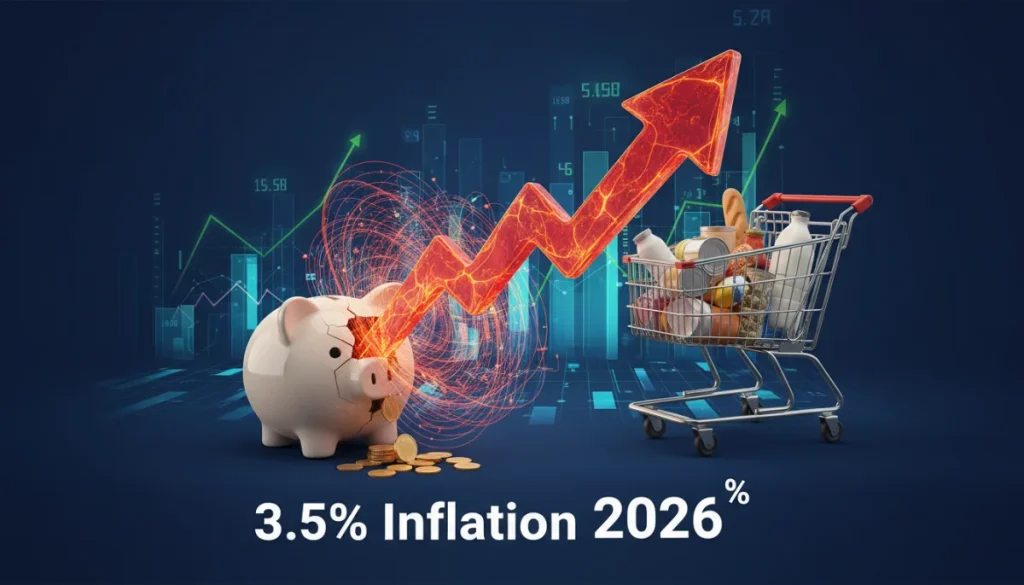
A projected 3.5% inflation rate in 2026 will diminish the real value of savings, erode purchasing power, and necessitate strategic adjustments in personal finance and investment planning for individuals in the United States.
As we approach the mid-decade mark, understanding the 2026 inflation outlook becomes crucial for every American household. A projected 3.5% inflation rate isn’t just a number; it’s a powerful economic force that will reshape your financial landscape, influencing everything from your daily spending habits to the long-term growth of your savings and investments.
Anúncios
Understanding the 2026 Inflation Outlook
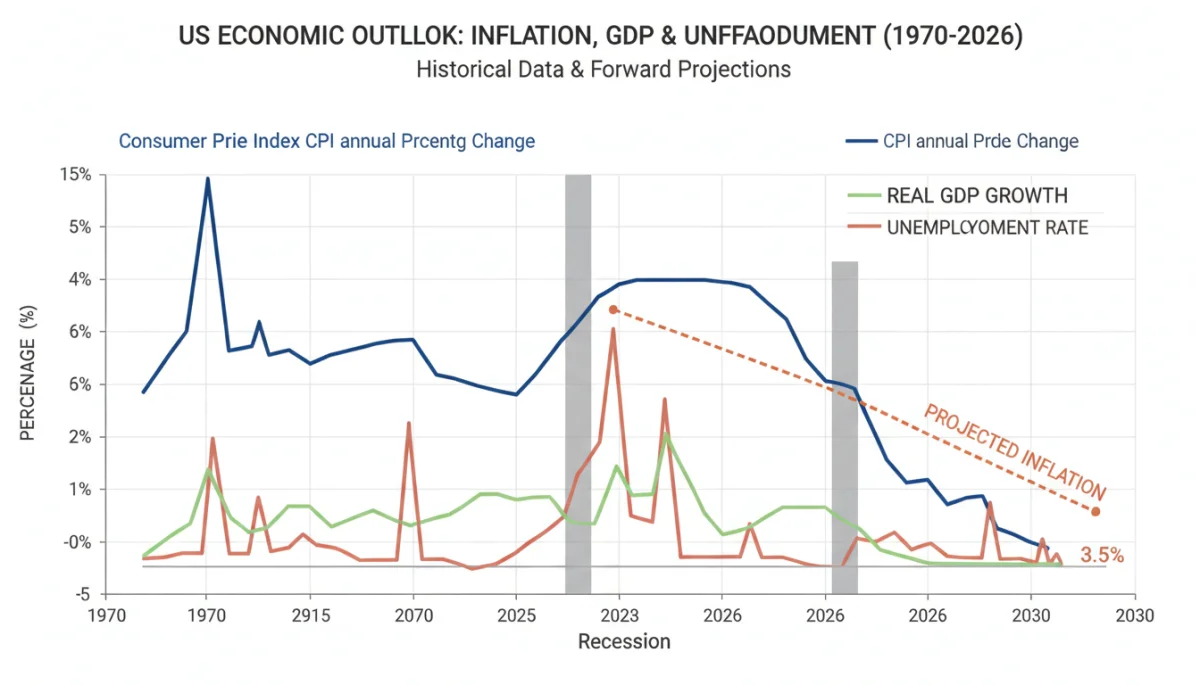
The 2026 inflation outlook suggests a continued, albeit moderate, rise in the cost of living, with economists projecting a 3.5% annual rate. This figure represents the average increase in prices for goods and services over the year. While seemingly modest, this sustained inflation can have a profound cumulative effect on household budgets and financial planning.
Several factors contribute to this projected rate, including ongoing supply chain adjustments, labor market dynamics, and global geopolitical events. Understanding these underlying drivers is key to anticipating how inflation will manifest in your daily life and developing effective strategies to mitigate its impact.
Anúncios
Key Drivers Behind the 3.5% Projection
The forecast for 3.5% inflation in 2026 is not arbitrary; it’s a synthesis of various economic indicators and expert analyses. These drivers paint a complex picture of the economic environment we can expect.
- Supply Chain Normalization: While improving, some kinks in global supply chains are expected to persist, keeping certain prices elevated.
- Wage Growth: A tight labor market could continue to push wages higher, which businesses often pass on to consumers through increased prices.
- Energy Prices: Volatility in global energy markets, influenced by geopolitical tensions and production levels, remains a significant inflationary pressure.
- Consumer Demand: Strong consumer spending, buoyed by robust employment and potentially accumulated savings, can also fuel price increases.
It’s important to remember that these factors are interconnected, creating a dynamic economic landscape where changes in one area can ripple through others. The 3.5% projection attempts to capture the net effect of these diverse influences, providing a baseline for financial planning.
Impact on Your Savings and Investments
A 3.5% inflation rate significantly erodes the real value of your savings over time. If your savings accounts or fixed-income investments yield less than 3.5%, you are effectively losing purchasing power. This phenomenon, often called the ‘inflation tax,’ means that the same amount of money will buy fewer goods and services in the future than it does today.
For investors, inflation necessitates a strategic re-evaluation of portfolios. Assets that typically perform well during inflationary periods, such as real estate, commodities, and certain equities, may become more attractive. Conversely, investments with fixed returns or those highly sensitive to interest rate hikes might see their real returns diminish.
Protecting Your Savings from Inflation’s Bite
Safeguarding your hard-earned money requires proactive measures when inflation is a concern. Simply leaving cash in a low-interest savings account will almost guarantee a loss in real value.
- High-Yield Savings Accounts: Seek out accounts offering rates closer to or above the inflation rate, though these are often difficult to find consistently.
- Inflation-Protected Securities (TIPS): These government bonds adjust their principal value based on the Consumer Price Index (CPI), offering a direct hedge against inflation.
- Diversify Investments: Spread your investments across various asset classes, including those historically resilient to inflation, such as real estate or certain commodities.
The goal is to ensure your money is working hard enough to at least keep pace with the rising cost of living. This involves continuously monitoring interest rates, investment performance, and economic forecasts to make informed decisions.
Erosion of Spending Power and Daily Costs
Perhaps the most immediate and tangible effect of a 3.5% inflation rate is the erosion of your spending power. Each dollar in your wallet or bank account will buy less than it did the year before. This isn’t just an abstract economic concept; it translates directly into higher prices for everyday necessities like groceries, gasoline, utilities, and housing.
Families will find their budgets stretched thinner, potentially needing to make difficult choices about discretionary spending. Businesses, in turn, face increased costs for raw materials, labor, and transportation, which they often pass on to consumers, perpetuating the cycle of rising prices.
Navigating Higher Everyday Expenses
Adapting to increased costs requires careful budgeting and smart consumer choices. Small changes in habits can collectively make a significant difference in managing your household finances.
Consider reviewing your monthly expenditures with a fine-tooth comb. Are there subscriptions you no longer use? Can you find more cost-effective alternatives for certain goods or services? Bulk buying non-perishable items when they are on sale can also offer some relief against future price hikes. Additionally, exploring energy-efficient options for your home can help reduce utility bills, a common area impacted by inflation.
Adjusting Personal Budgets and Financial Planning
In an inflationary environment, a static budget is a failing budget. To maintain financial stability, you must actively adjust your personal budget to reflect the increased cost of living. This means not just tracking expenses but also re-evaluating where your money goes and making conscious decisions about where to cut back or reallocate funds.
Financial planning for 2026 and beyond must incorporate inflation expectations. This includes setting more realistic savings goals, adjusting retirement planning projections, and reviewing insurance coverages to ensure they keep pace with replacement costs. Ignoring inflation in your financial planning is akin to planning a journey without accounting for fuel prices.
Strategies for Budgeting in an Inflationary Climate
Effective budgeting during periods of inflation requires a proactive and flexible approach. It’s about more than just cutting costs; it’s about optimizing your spending and income.
- Regular Budget Reviews: Update your budget quarterly, or even monthly, to reflect rising prices and adjust spending categories accordingly.
- Prioritize Needs vs. Wants: Distinguish essential expenses from discretionary ones, making cuts to the latter first if needed.
- Seek Income Increases: Explore opportunities for raises, promotions, or supplementary income to offset the erosion of purchasing power.
- Automate Savings: Even if the real return is negative, consistently saving helps build capital that can be deployed into inflation-hedging assets.
These strategies help to build resilience into your financial plan, allowing you to weather the impact of rising prices without derailing your long-term goals. The key is consistent effort and adaptability.
Investment Strategies for an Inflationary Future
For investors, a 3.5% inflation rate in 2026 presents both challenges and opportunities. The traditional 60/40 stock-bond portfolio might need rebalancing, as bonds generally underperform in rising interest rate environments often associated with inflation. The focus shifts to assets that can either pass on rising costs to consumers or benefit from increased demand for real assets.
Consider consulting with a financial advisor to tailor your investment strategy to the current economic climate. They can help you identify assets that align with your risk tolerance and financial goals while providing a hedge against inflation. Diversification remains a cornerstone of prudent investing, but the mix of assets may need adjustment.
Asset Classes to Consider
Certain asset classes historically tend to perform better when inflation is a concern, offering potential avenues for preserving and growing wealth.
- Real Estate: Property values and rental income often increase with inflation, making real estate a popular hedge.
- Commodities: Raw materials like gold, oil, and agricultural products tend to see price increases during inflationary periods.
- Value Stocks: Companies with strong pricing power and stable cash flows may be better positioned to weather inflation than growth stocks.
- Dividend Stocks: Companies that consistently pay and grow dividends can provide a stream of income that helps offset rising costs.
However, it’s crucial to conduct thorough research and understand the risks associated with each investment. Market conditions can change rapidly, and past performance is not indicative of future results.
Government and Federal Reserve Responses
The Federal Reserve plays a pivotal role in managing inflation through monetary policy. Should the 2026 inflation outlook hold at 3.5%, the Fed might continue to employ tools like interest rate adjustments to cool the economy and bring inflation back to its target range, typically around 2%. These actions have ripple effects throughout the economy, influencing borrowing costs, investment returns, and economic growth.
Government fiscal policy, through spending and taxation, also impacts inflation. Decisions regarding infrastructure projects, social programs, or tax cuts can either stimulate demand, potentially fueling inflation, or temper it. Both monetary and fiscal policies will be closely watched as 2026 approaches, as their coordination (or lack thereof) will significantly shape the economic environment.
Potential Policy Implications
The actions taken by policymakers will have direct consequences for individuals and businesses. Understanding these potential implications can help you anticipate changes and adjust your financial plans accordingly.
For example, sustained high interest rates could make mortgages and car loans more expensive, impacting big-ticket purchases. Conversely, if inflation cools, the Fed might ease its stance, potentially leading to lower borrowing costs. Government spending, if directed towards productivity-enhancing investments, could help alleviate supply-side pressures over the long term. Staying informed about these policy decisions is an important part of navigating the inflationary landscape.
| Key Point | Brief Description |
|---|---|
| Inflation Rate | Projected 3.5% in 2026, impacting cost of living. |
| Savings Erosion | Real value of savings diminishes if returns are below 3.5%. |
| Spending Power | Everyday goods and services become more expensive. |
| Investment Adjustments | Shift to inflation-hedging assets like real estate, commodities. |
Frequently Asked Questions About 2026 Inflation
A 3.5% inflation rate means that, on average, the prices of goods and services will increase by 3.5% over a year. This reduces the purchasing power of your money, meaning each dollar buys less than it did before.
To protect savings, consider high-yield savings accounts, inflation-protected securities (TIPS), or diversifying investments into assets like real estate, commodities, or value stocks that historically perform well during inflationary periods.
While 3.5% is an average, some expenses like groceries, fuel, and utilities might increase more, while others might increase less. It’s an overall measure, so individual costs will vary.
Yes, it’s prudent to review your investment strategy. Consider rebalancing your portfolio to include assets that historically hedge against inflation and consult a financial advisor for personalized guidance.
The Federal Reserve influences inflation primarily through monetary policy, adjusting interest rates to either stimulate or cool the economy. Higher rates can curb inflation, while lower rates can stimulate economic activity.
Conclusion
The 2026 inflation outlook, with its projected 3.5% rate, underscores the dynamic nature of our economic environment and the critical need for proactive financial management. While inflation presents challenges by eroding purchasing power and the real value of savings, it also offers an opportunity to refine personal finance strategies and make informed investment decisions. By understanding the drivers of inflation, adjusting budgets, and exploring suitable investment avenues, individuals can better navigate these economic shifts and work towards securing their financial well-being in the years to come.
