White House Unveils 2026 Infrastructure Spending Plan for 5 Key Sectors
Anúncios
The White House has unveiled an exclusive new infrastructure spending plan for 2026, allocating substantial funds to five key sectors aimed at modernizing American infrastructure and stimulating economic growth nationwide.
Anúncios
The Biden administration has announced an exclusive: White House unveils new infrastructure spending plan for 2026, targeting 5 key sectors, set to redefine America’s foundational systems. This ambitious initiative aims to not only repair and upgrade existing infrastructure but also to lay the groundwork for future innovation and economic prosperity across the nation.
Understanding the New Infrastructure Vision
The White House’s latest infrastructure spending plan for 2026 marks a significant step towards addressing long-standing needs and preparing the United States for the challenges and opportunities of the 21st century. This comprehensive strategy moves beyond traditional definitions of infrastructure, embracing a holistic approach that integrates technology, sustainability, and community resilience.
Anúncios
Key Pillars of the 2026 Plan
The administration has outlined several core principles guiding this new infrastructure push. These pillars emphasize not just physical construction but also the broader societal and economic impacts of these investments.
- Economic Growth: Projects are designed to create jobs, stimulate local economies, and enhance overall national productivity.
- Sustainability: A strong focus on green infrastructure and renewable energy solutions to combat climate change.
- Equity and Access: Ensuring that infrastructure improvements benefit all communities, including historically underserved areas.
- Technological Advancement: Integrating cutting-edge technologies to create smarter, more efficient systems.
This forward-thinking approach aims to leverage infrastructure development as a catalyst for broader national progress. The plan seeks to ensure that America’s infrastructure is not only robust but also adaptable to future demands, fostering both immediate economic benefits and long-term societal well-being. The vision extends to creating a more interconnected and resilient nation, capable of weathering future economic shifts and environmental challenges.
Target Sector 1: Transportation Networks
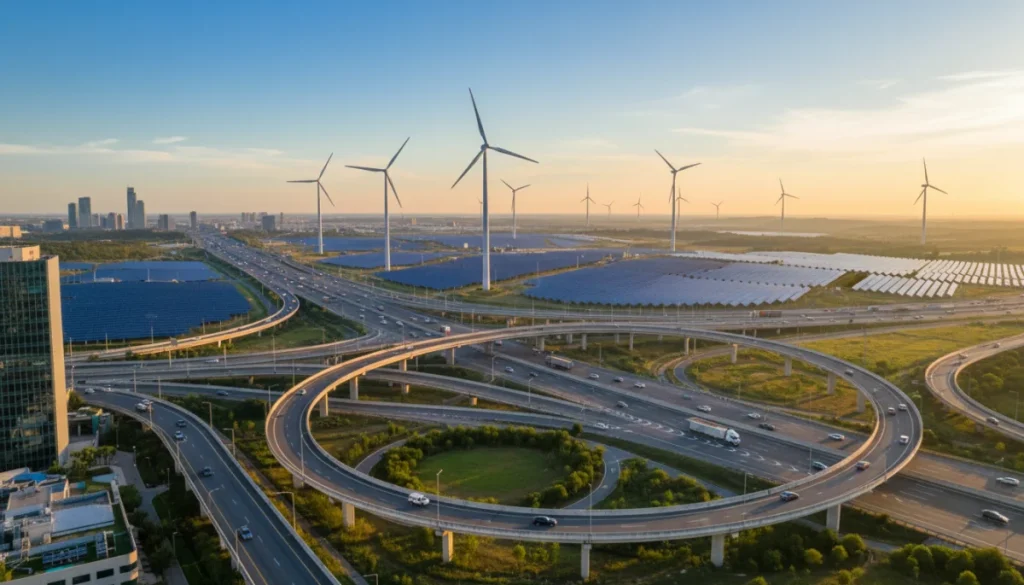
The first key sector targeted by the White House’s 2026 infrastructure plan is transportation. This encompasses a wide array of projects designed to improve the efficiency, safety, and sustainability of how Americans move people and goods across the country. From crumbling bridges to congested highways, the need for significant investment in this area has been evident for decades.
Modernizing Roads and Bridges
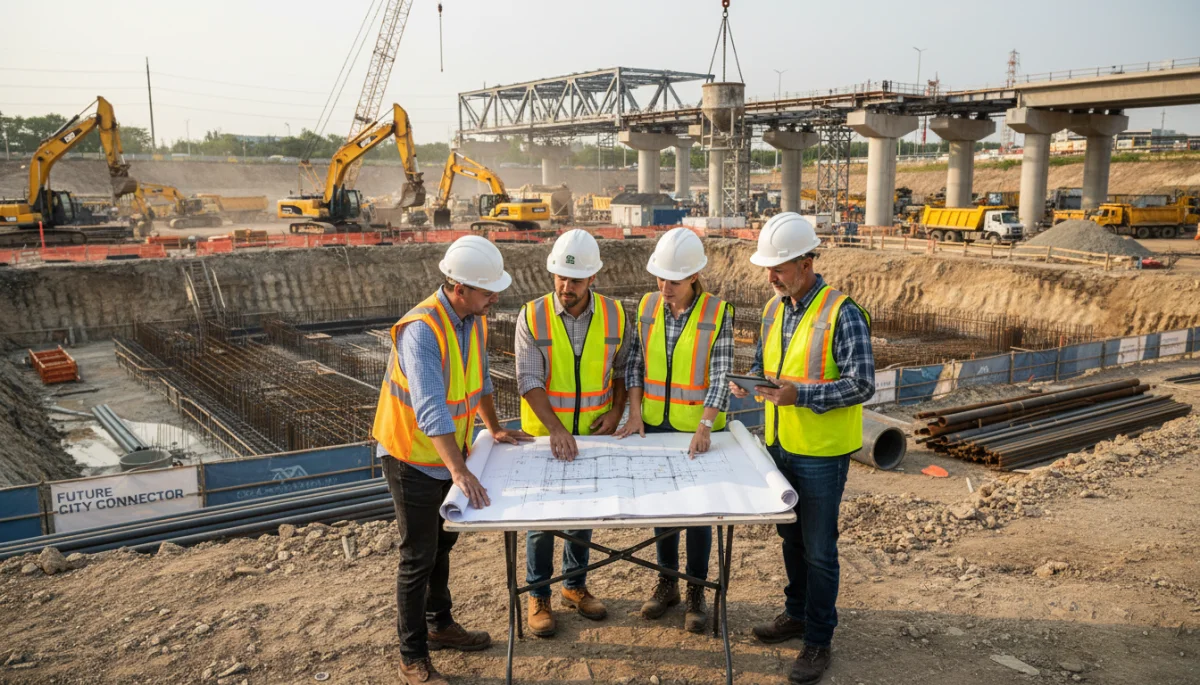
A substantial portion of the allocated funds will go towards repairing and rebuilding America’s vast network of roads and bridges. Many of these critical arteries are past their expected lifespan, leading to safety concerns and economic inefficiencies. The plan emphasizes not just repair but also upgrades that incorporate modern engineering and materials.
- Bridge Reconstruction: Prioritizing thousands of structurally deficient bridges nationwide.
- Highway Expansion & Repair: Addressing bottlenecks and improving surface conditions on major interstates and state routes.
- Smart Road Technology: Investing in infrastructure that supports autonomous vehicles and intelligent traffic management systems.
Beyond traditional roadwork, the plan also includes significant investments in public transit systems. This involves expanding bus and rail networks, upgrading stations, and integrating new technologies to make public transportation more appealing and accessible. The goal is to reduce reliance on single-occupancy vehicles, thereby easing traffic congestion and lowering carbon emissions.
Target Sector 2: Clean Energy and Grid Modernization
The second crucial sector receiving significant attention in the 2026 infrastructure spending plan is clean energy and the modernization of the national power grid. This initiative is pivotal for achieving climate goals and ensuring a reliable, resilient energy supply for all Americans.
Investing in Renewable Energy Sources
A central component of this sector’s strategy is a massive investment in renewable energy projects. This includes developing new solar farms, wind power installations, and geothermal energy facilities across the country. The aim is to significantly increase the proportion of clean energy in the national grid, reducing dependence on fossil fuels.
- Solar Energy Expansion: Funding for utility-scale solar projects and incentives for residential and commercial solar adoption.
- Wind Power Development: Support for both onshore and offshore wind farms, particularly in coastal and plains regions.
- Energy Storage Solutions: Investment in battery storage and other technologies to ensure grid stability with intermittent renewable sources.
Alongside renewable energy deployment, the plan focuses heavily on modernizing the aging electrical grid. The current grid is vulnerable to extreme weather events and cyberattacks. Upgrades will include smart grid technologies, which can better manage energy flow, detect outages, and integrate diverse energy sources more efficiently. This modernization is crucial for supporting the transition to a clean energy economy and enhancing national energy security.
Target Sector 3: Broadband Internet Expansion
The third key sector in the White House’s 2026 infrastructure plan addresses the critical need for universal high-speed broadband internet access. In today’s digital age, reliable internet is no longer a luxury but a fundamental necessity for education, work, healthcare, and economic participation. Millions of Americans, especially in rural and underserved urban areas, still lack adequate connectivity.
Bridging the Digital Divide
The plan allocates substantial resources to expand broadband infrastructure, aiming to ensure that every household in the United States has access to affordable, high-speed internet. This involves both laying new fiber optic cables and upgrading existing infrastructure to meet future demands. The focus is on reaching communities that have been historically left behind in the digital revolution.
- Rural Broadband Projects: Direct funding and incentives for internet service providers to extend services to remote areas.
- Affordable Access Programs: Subsidies and initiatives to lower the cost of internet service for low-income families.
- Digital Literacy Initiatives: Programs to educate communities on how to effectively use broadband for various opportunities.
Beyond simply providing access, the plan also emphasizes digital equity. This means not only ensuring physical connectivity but also addressing issues of affordability, digital literacy, and access to necessary devices. The goal is to empower all Americans to fully participate in the digital economy and society, fostering greater educational opportunities and enhancing civic engagement. This investment is seen as crucial for maintaining America’s competitive edge in a globalized world.
Target Sector 4: Water Systems and Resilience
The fourth key sector targeted by the White House’s 2026 infrastructure spending plan is water systems and resilience. This crucial area addresses the need for safe, clean drinking water, effective wastewater management, and robust defenses against climate-related water challenges such as floods and droughts. Many of America’s water systems are aging, leading to concerns about water quality and infrastructure failures.
Upgrading Water Treatment and Distribution
Significant investments are planned for modernizing municipal water treatment plants and replacing aging water pipes. Lead service lines, in particular, are a major focus, with the goal of eliminating all lead pipes to ensure safe drinking water for communities. The plan also includes funding for advanced filtration technologies and improved water quality monitoring.
- Lead Pipe Replacement: A nationwide initiative to remove and replace lead service lines.
- Wastewater Infrastructure: Upgrading and expanding wastewater treatment facilities to meet environmental standards.
- Stormwater Management: Investing in green infrastructure solutions to manage runoff and prevent urban flooding.
Furthermore, the plan emphasizes building resilience against climate impacts. This involves funding for projects that protect coastal communities from rising sea levels, improve drought resistance in arid regions, and enhance flood control measures in vulnerable areas. These investments are designed to safeguard public health, protect natural ecosystems, and ensure the long-term availability of water resources. The focus is on creating sustainable water management practices that can adapt to changing environmental conditions.
Target Sector 5: Public Buildings and Community Facilities
The fifth and final key sector in the White House’s 2026 infrastructure plan focuses on public buildings and community facilities. This sector aims to modernize and enhance the spaces where Americans live, learn, work, and gather, ensuring they are safe, energy-efficient, and accessible. From schools to healthcare facilities, these buildings form the backbone of community life.
Revitalizing Schools and Healthcare Facilities
A significant portion of the allocated funds will be directed towards renovating and upgrading public schools, particularly in underserved districts. This includes improving HVAC systems, addressing structural deficiencies, and enhancing technology infrastructure to create better learning environments. Similarly, healthcare facilities, especially those in rural and low-income areas, will receive funding for modernization and expansion.
- School Modernization: Upgrading classrooms, laboratories, and recreational facilities for improved learning outcomes.
- Hospital & Clinic Enhancements: Investing in new equipment, expanding capacity, and improving patient care environments.
- Community Center Development: Funding for multi-purpose community centers that offer social services, recreation, and educational programs.
Beyond schools and healthcare, the plan also supports a broader range of community facilities, including libraries, parks, and government buildings. The emphasis is on making these spaces more sustainable through energy-efficient upgrades, and more accessible for individuals with disabilities. These investments are designed to foster stronger, healthier communities and ensure that public spaces can effectively serve the needs of all residents. The goal is to create modern, inclusive environments that enhance the quality of life for every American.
| Key Point | Brief Description |
|---|---|
| Overall Vision | Comprehensive plan for 2026 to modernize US infrastructure, focusing on economic growth, sustainability, and equity. |
| Target Sectors | Transportation, Clean Energy, Broadband, Water Systems, and Public Buildings. |
| Economic Impact | Aims to create jobs, stimulate local economies, and enhance national productivity. |
| Sustainability Focus | Strong emphasis on green infrastructure and renewable energy to combat climate change. |
Frequently Asked Questions About the 2026 Infrastructure Plan
The main goals are to modernize America’s aging infrastructure, stimulate economic growth by creating jobs, promote sustainability through clean energy investments, and ensure equitable access to essential services for all communities across the nation.
The five key sectors are transportation networks (roads, bridges, public transit), clean energy and grid modernization, broadband internet expansion, water systems and resilience, and public buildings and community facilities like schools and hospitals.
The plan addresses climate change through significant investments in renewable energy sources like solar and wind power, modernization of the electrical grid for clean energy integration, and building resilience in water systems against climate-related disasters such as floods and droughts.
Broadband expansion aims to bridge the digital divide by providing high-speed internet access to underserved rural and urban areas. This will enhance educational opportunities, support remote work, improve access to telehealth, and boost local economies.
While the plan is unveiled for 2026, implementation of various projects will likely be phased over several years, with initial projects commencing shortly after funding allocation and continuing through the end of the decade and beyond.
Conclusion
The White House’s exclusive new infrastructure spending plan for 2026 represents a monumental commitment to revitalizing America’s foundational systems. By strategically targeting transportation, clean energy, broadband, water, and public buildings, the administration aims to foster sustainable economic growth, enhance national resilience, and improve the quality of life for all Americans. This ambitious undertaking is poised to reshape the nation’s landscape, creating a more modern, equitable, and sustainable future.
