EPA Proposes 15% Emission Cut by 2030: Full Details
Anúncios
The Environmental Protection Agency (EPA) has unveiled a significant climate change policy shift, proposing a 15% reduction in nationwide greenhouse gas emissions by 2030, with comprehensive details being released this week to outline its ambitious scope and implementation.
Anúncios
The United States is on the cusp of a transformative environmental policy shift as the Environmental Protection Agency (EPA) recently proposed a groundbreaking plan: a 15% reduction in emissions by 2030. This announcement marks a pivotal moment in the nation’s efforts to combat climate change, setting ambitious targets and signaling a clear direction for industries and consumers alike. The full details, which have been eagerly anticipated, are now emerging, offering a comprehensive look at how this goal will be achieved and its potential impacts. This isn’t just about numbers; it’s about shaping a more sustainable future for everyone.
Anúncios
Understanding the EPA’s New Emission Reduction Proposal
The EPA’s latest proposal represents a significant escalation in America’s commitment to climate action. This plan aims to achieve a substantial cut in greenhouse gas emissions within the next seven years, building on existing initiatives and introducing new, more stringent regulations. The agency emphasizes a multi-sector approach, recognizing that no single industry can bear the entire burden of this transition.
At its core, the proposal seeks to leverage technological advancements and economic incentives to drive change. It’s designed to be both ambitious and achievable, providing a clear roadmap for industries to adapt and innovate. The EPA has spent considerable time gathering data and consulting with experts to ensure the proposed reductions are grounded in scientific evidence and practical feasibility.
Key Pillars of the Proposal
The strategy is built upon several foundational elements that collectively aim to reshape the nation’s energy landscape and industrial practices. These pillars are designed to create a synergistic effect, accelerating the transition to a low-carbon economy.
- Power Sector Decarbonization: A primary focus is on transitioning electricity generation away from fossil fuels towards renewable sources like solar and wind, alongside improvements in energy efficiency.
- Transportation Electrification: Accelerating the adoption of electric vehicles (EVs) for both personal and commercial use, coupled with investments in charging infrastructure.
- Industrial Emissions Control: Implementing stricter standards for heavy industries, encouraging the adoption of carbon capture technologies and process improvements.
This comprehensive strategy underscores the urgency with which the EPA views the climate crisis. By targeting multiple sources of emissions, the agency hopes to create a robust and resilient framework for achieving its 2030 goal. The details released this week provide the specific mechanisms and timelines for each of these pillars, offering much-needed clarity to stakeholders.
Detailed Breakdown of the Proposed 15% Reduction
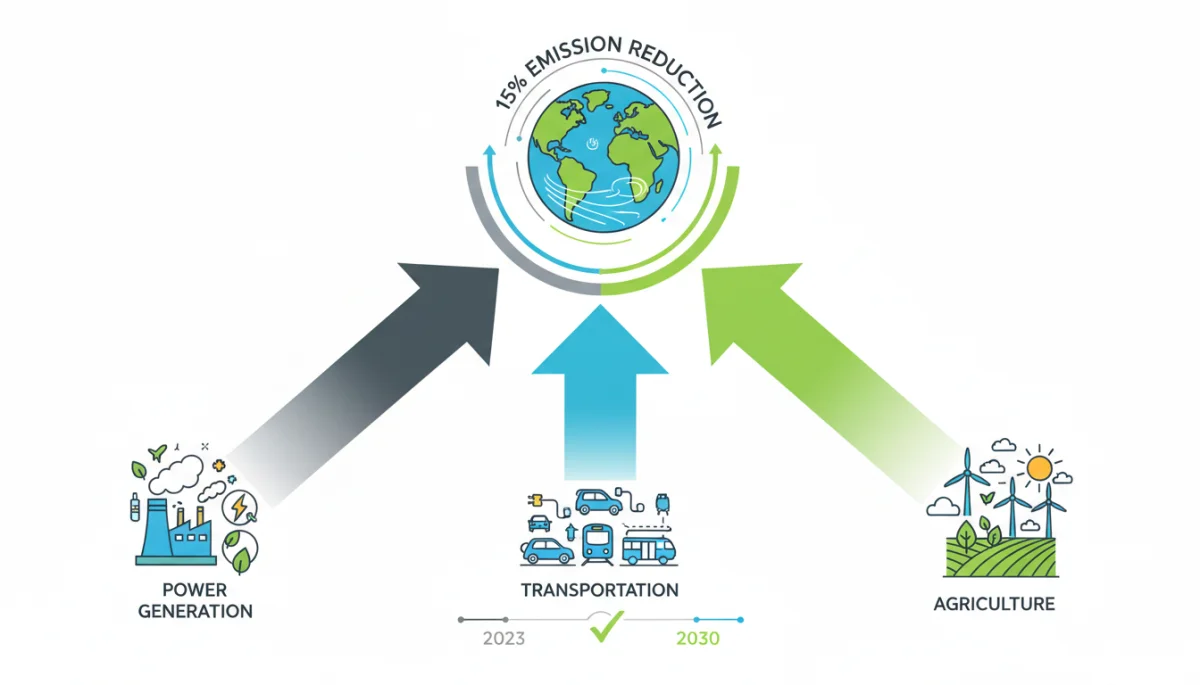
The 15% emission reduction target is not a uniform cut across all sectors; rather, it’s a strategically allocated goal designed to maximize impact while minimizing economic disruption. The EPA’s detailed plan outlines specific pathways for different industries, acknowledging their unique challenges and opportunities.
For instance, the power sector, as one of the largest contributors to greenhouse gases, faces some of the most significant changes. The proposal includes incentives for utility companies to retire coal-fired plants and invest heavily in renewable energy infrastructure. There will also be a strong emphasis on grid modernization to efficiently integrate these new energy sources.
In the transportation sector, the focus extends beyond passenger vehicles to include heavy-duty trucks, buses, and even aviation. New fuel efficiency standards and emission limits will be introduced, alongside support for the development and deployment of alternative fuels. This multifaceted approach aims to tackle emissions from every corner of the transportation network.
Sector-Specific Targets and Mechanisms
The EPA has meticulously crafted targets that reflect the current emission profiles and technological readiness of each sector. This tailored approach is crucial for effective implementation.
- Energy Sector: Mandates for increased renewable energy portfolios, carbon capture and storage requirements for existing fossil fuel plants, and enhanced energy efficiency standards for new power generation facilities.
- Industrial Sector: Introduction of best available control technology (BACT) requirements for major industrial emitters, alongside programs to incentivize process innovation that reduces emissions.
- Residential and Commercial: Promotion of energy-efficient building codes, appliance standards, and consumer rebates for retrofitting homes and businesses with green technologies.
The details also reveal a strong emphasis on monitoring and enforcement. The EPA plans to enhance its data collection capabilities to track progress accurately and ensure compliance. This commitment to transparency and accountability is central to the proposal’s success.
Economic and Environmental Impacts of the Policy Shift
The proposed 15% reduction in emissions by 2030 is expected to have far-reaching economic and environmental consequences. Environmentally, the benefits are clear: cleaner air and water, reduced incidence of climate-related disasters, and preservation of biodiversity. These improvements will directly translate into better public health outcomes, with fewer respiratory illnesses and heat-related fatalities.
Economically, the shift presents both challenges and opportunities. Industries heavily reliant on fossil fuels will need to invest significantly in new technologies and processes, which could lead to initial costs. However, the transition is also expected to spur innovation, create new jobs in green industries, and enhance America’s competitiveness in the global clean energy market. The EPA’s analysis suggests that the long-term economic benefits of avoiding climate change impacts will far outweigh the costs of implementation.
Potential Economic Opportunities and Challenges
The transition is not without its complexities. Certain regions and industries might face greater adjustment periods, requiring targeted support and investment. However, the overall outlook points to significant growth in nascent sectors.
- Job Creation: A surge in demand for skilled workers in renewable energy, battery manufacturing, EV infrastructure, and carbon capture technologies.
- Technological Innovation: Increased investment in research and development for sustainable solutions, fostering American leadership in green technologies.
- Energy Security: Reduced reliance on volatile global fossil fuel markets, enhancing national energy independence and stability.
The EPA acknowledges these dynamics and has indicated plans for programs to support workers and communities affected by the transition, ensuring a just and equitable shift. The environmental benefits, such as improved air quality and reduced health costs, are projected to yield substantial economic savings over time, making a strong case for the policy’s overall positive impact.
The Role of Technology and Innovation in Achieving Goals
Achieving a 15% reduction in emissions by 2030 will heavily rely on rapid advancements and widespread adoption of existing and emerging technologies. Innovation is not just a desirable outcome; it’s a critical component of the EPA’s strategy. The proposal outlines significant investments in research and development, alongside incentives for companies to deploy cutting-edge solutions.
Carbon capture, utilization, and storage (CCUS) technologies, for example, are poised to play a crucial role in decarbonizing heavy industries that cannot easily switch to renewable energy. Similarly, advancements in battery storage and smart grid technologies will be essential for integrating a higher proportion of intermittent renewable energy sources into the national grid.
Emerging Technologies and Their Impact
The EPA’s plan actively encourages the scaling up of technologies that were once considered niche but are now becoming mainstream. This push is expected to drive down costs and improve efficiency.
- Advanced Battery Storage: Essential for grid stability and enabling higher penetration of solar and wind power, overcoming their intermittency.
- Direct Air Capture (DAC): Technologies that remove CO2 directly from the atmosphere, offering a potential solution for hard-to-abate emissions and legacy carbon.
- Green Hydrogen Production: Utilizing renewable energy to produce hydrogen, which can serve as a clean fuel for industrial processes, heavy transport, and energy storage.
Furthermore, digital technologies like AI and machine learning will optimize energy consumption and grid management, making the entire energy system more efficient. The EPA’s proposal signals a clear intent to foster an environment where technological solutions can thrive, accelerating the path to a low-carbon future. This commitment to innovation is a cornerstone of the entire policy.
Public and Industry Reactions to the EPA’s Proposal
The announcement of the EPA’s proposed 15% emission reduction by 2030 has elicited a wide range of reactions from various stakeholders. Environmental groups have largely applauded the ambitious targets, calling it a necessary step towards addressing the climate crisis. They emphasize the urgency of the situation and the potential for the US to reclaim its leadership role in global climate action.
Conversely, some industry groups, particularly those in fossil fuel sectors, have expressed concerns about the economic implications and the feasibility of such rapid changes. They often cite potential job losses, increased operational costs, and the need for more gradual transitions. However, many businesses, especially those in renewable energy and green technology, have welcomed the proposal, seeing it as an opportunity for growth and investment.
Diverse Perspectives on the New Policy
The public response has also been varied, reflecting the diverse priorities and concerns across the nation. While many Americans support stronger climate action, there are also concerns about potential impacts on energy prices and economic stability.
- Environmental Advocates: Praise the ambition, urging swift implementation and stronger enforcement mechanisms.
- Traditional Energy Industries: Express concerns over compliance costs, potential economic disruption, and the pace of transition.
- Renewable Energy Sector: See significant growth opportunities, advocating for supportive policies and infrastructure investment.
The EPA is currently in a public comment period, allowing stakeholders to provide feedback that could shape the final rule. This engagement process is crucial for ensuring that the policy is robust, equitable, and effective. The agency is actively balancing the need for aggressive climate action with practical considerations for industries and communities.
What This Means for the Future of US Climate Policy
The EPA’s proposal for a 15% reduction in emissions by 2030 is more than just a regulatory update; it represents a fundamental shift in the trajectory of US climate policy. It signals a clear, long-term commitment to decarbonization and positions climate action as a central pillar of national economic and environmental strategy. This move is likely to influence future policy decisions, investment patterns, and international climate negotiations.
The ambitious nature of the target suggests that future environmental regulations will continue to push for deeper emission cuts and broader adoption of sustainable practices. It also underscores a growing recognition within the government that climate change is an urgent threat requiring decisive and comprehensive action across all sectors of the economy. This policy shift will likely set precedents for other nations and reinforce global efforts to combat climate change.
Long-Term Implications and Global Context
The proposed policy has implications that extend far beyond the 2030 target, shaping the nation’s environmental legacy for decades to come. It positions the US as a more serious player on the global climate stage.
- International Leadership: Reaffirms the US commitment to the Paris Agreement and potentially encourages other major emitters to strengthen their climate targets.
- Sustainable Development: Fosters a national framework that prioritizes environmental sustainability alongside economic growth.
- Future Policy Direction: Lays the groundwork for even more aggressive climate goals post-2030, integrating climate considerations into all aspects of governance.
Ultimately, this policy shift is about building a more resilient, sustainable, and prosperous future for the United States. It’s a bold statement that the nation is ready to meet the challenges of climate change head-on, transforming its economy and protecting its environment for generations to come. The details released this week provide the blueprint for this ambitious journey.
| Key Point | Brief Description |
|---|---|
| EPA Proposal | Aims for a 15% reduction in US greenhouse gas emissions by 2030. |
| Key Sectors Targeted | Focuses on power generation, transportation, and industrial emissions. |
| Economic Impact | Expected to create green jobs, spur innovation, and reduce long-term climate costs. |
| Technological Reliance | Success hinges on advancements in renewables, carbon capture, and electrification. |
Frequently Asked Questions About the EPA’s New Emissions Goal
The primary objective is to achieve a 15% reduction in overall greenhouse gas emissions across the United States by the year 2030, as part of a broader strategy to combat climate change and meet national environmental commitments.
The policy will significantly impact the power generation sector, pushing for more renewable energy. The transportation sector will see accelerated electrification, and heavy industries will face stricter emission controls and incentives for cleaner processes.
Americans can expect cleaner air and water, potential job growth in green industries, and increased availability of electric vehicles and energy-efficient products. There might be initial adjustments in energy costs as the transition unfolds.
Technology is crucial. Advancements in renewable energy, battery storage, carbon capture, and electric vehicle infrastructure are essential. The proposal encourages innovation and deployment of these solutions to meet the ambitious emission reduction goals.
The proposal is currently undergoing a public comment period. After incorporating feedback, the EPA will finalize the rule. The exact effective date will be announced upon finalization, but implementation will begin shortly thereafter to meet the 2030 deadline.
Conclusion
The EPA’s proposed 15% reduction in emissions by 2030 marks a definitive and forward-looking step in the United States’ climate change strategy. The detailed plans released this week underscore a comprehensive approach, targeting key sectors like power, transportation, and industry, while leveraging technological innovation and fostering economic opportunities. While challenges remain, this policy shift signals a profound commitment to a sustainable future, aiming to deliver significant environmental and public health benefits. It positions the nation firmly on a path toward decarbonization, influencing global climate action and shaping a cleaner, more resilient America for generations to come.
