LIHEAP 2026: Get Up to $750 for Heating & Cooling Costs

Anúncios
The Low Income Home Energy Assistance Program (LIHEAP) in 2026 offers eligible households up to $750 to help cover heating and cooling expenses, ensuring comfort and financial stability during extreme weather conditions.
Anúncios
As winter approaches and energy bills climb, many households face the daunting challenge of keeping their homes warm without breaking the bank. Fortunately, the Energy Assistance Programs (LIHEAP) 2026: Get Up to $750 in Aid for Heating and Cooling Costs This Winter stands as a crucial lifeline for low-income families across the United States.
Understanding LIHEAP: A Lifeline for Energy Costs
The Low Income Home Energy Assistance Program (LIHEAP) is a federally funded program designed to assist low-income households in meeting their home energy needs. This vital program helps millions of Americans stay safe and healthy by providing financial aid for heating and cooling costs, preventing utility shut-offs, and assisting with energy-related home repairs.
Anúncios
LIHEAP operates through grants to states, territories, and tribal organizations, which then distribute the funds to eligible households. The program’s flexibility allows states to tailor their assistance to the specific needs of their residents, addressing unique climate challenges and energy costs across different regions.
What LIHEAP Covers
LIHEAP primarily focuses on two main types of assistance: heating and cooling. These are critical during extreme weather conditions when energy consumption, and thus costs, are at their highest.
- Heating Assistance: Helps cover the costs associated with heating your home during cold months, including payments for electricity, natural gas, propane, oil, wood, and other heating fuels.
- Cooling Assistance: Provides aid for electricity costs during hot summer months to help maintain a safe and comfortable indoor temperature, crucial for vulnerable populations.
- Crisis Assistance: Offers immediate help to households facing energy crises, such as utility shut-off notices or lack of fuel, to restore or maintain essential utility services.
- Weatherization and Energy-Related Repairs: In some cases, LIHEAP funds can be used for minor energy-related home repairs or weatherization services to improve energy efficiency and reduce future energy burdens.
In essence, LIHEAP is more than just financial aid; it’s a comprehensive program aimed at ensuring that no household has to choose between essential needs and keeping their lights on or home warm.
Eligibility Requirements for LIHEAP 2026
To qualify for LIHEAP assistance in 2026, households must meet specific income guidelines and other criteria established by their state or tribal agency. These guidelines are typically based on the federal poverty level or state median income, ensuring that aid reaches those most in need.
While the exact requirements can vary, there are general parameters that most states follow. Understanding these can help potential applicants determine their likelihood of eligibility before beginning the application process.
Income Thresholds
The primary determinant for LIHEAP eligibility is household income. Generally, a household’s gross income must not exceed 150% of the federal poverty level or 60% of the state median income, whichever is higher. However, some states may set their thresholds lower or higher based on available funding and specific state needs.
- Federal Poverty Guidelines: These are updated annually by the Department of Health and Human Services. Applicants should check the most current guidelines for 2026.
- State-Specific Income Limits: Each state publishes its own income limits. It’s crucial to consult your local LIHEAP office or state website for precise figures.
- Household Size: Income limits are adjusted based on the number of people living in the household. Larger households generally have higher income thresholds.
It’s important to note that even if your income is slightly above the typical threshold, you might still qualify under certain circumstances, especially if you have high energy costs relative to your income or a household member with a disability or chronic illness.
How to Apply for LIHEAP Aid in 2026
Applying for LIHEAP aid involves a few key steps, and while the process can vary slightly by state, the general procedure remains consistent. Early application is often recommended, as funds are limited and typically distributed on a first-come, first-served basis.
The application period usually opens in the fall for heating assistance and in the spring or summer for cooling assistance. It’s essential to stay informed about these dates through your local LIHEAP office or state’s official website.
The Application Process
The application typically requires documentation to verify income, household size, and residency. Being prepared with these documents can significantly expedite the process.
- Locate Your Local Office: The first step is to find your state’s LIHEAP agency or a local community action agency that administers the program. This information is usually available on state government websites or through a simple online search.
- Gather Required Documents: You will likely need proof of income for all household members (pay stubs, tax returns, Social Security benefit letters), proof of residency (utility bills, lease agreements), and identification for all household members.
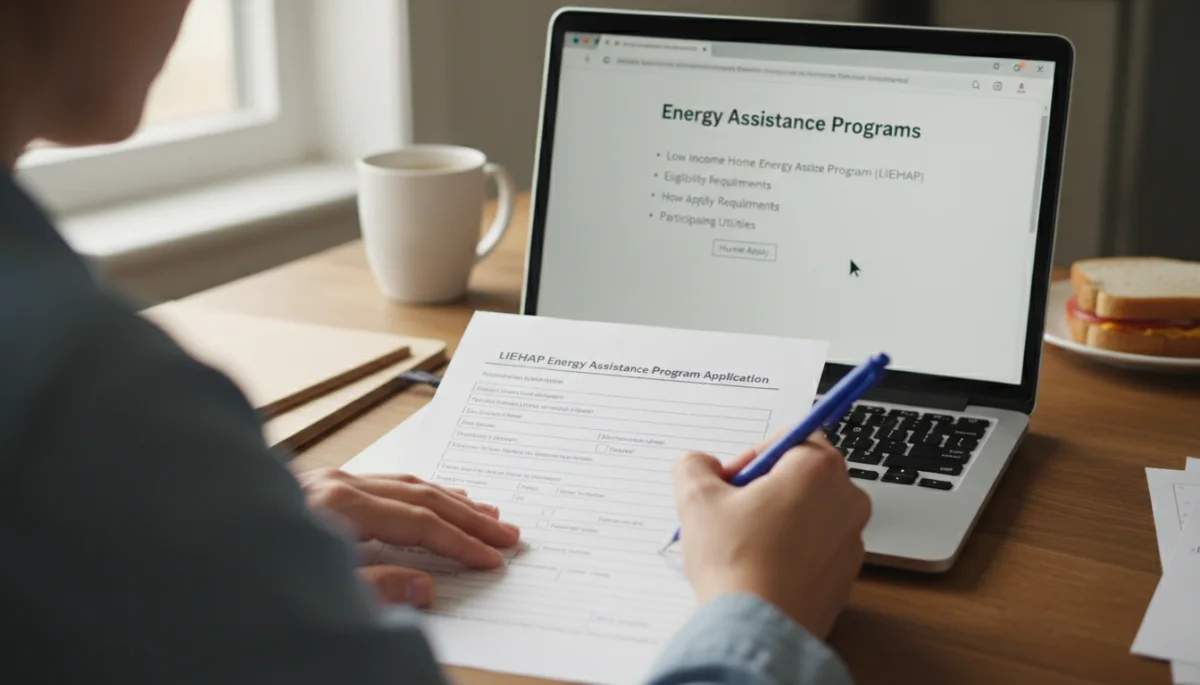
- Complete the Application Form: Fill out the application form accurately and completely. Many states now offer online applications, making the process more convenient.
- Submit Your Application: Submit the application along with all supporting documents by the specified deadline. Some agencies may require an in-person interview.
- Await Notification: After submission, your application will be reviewed. You will be notified of the decision by mail or email. If approved, funds will be disbursed directly to your utility provider or, in some cases, to you.
Remember, each state has its own specific application forms and procedures, so always refer to your state’s official LIHEAP resources for the most accurate and up-to-date information.
Maximizing Your LIHEAP Benefits: Up to $750 in Aid
The potential for up to $750 in aid through LIHEAP can make a significant difference in a household’s budget, especially during peak energy seasons. While the maximum amount can vary by state and individual circumstances, understanding how benefits are calculated can help applicants appreciate the program’s impact.
The amount of assistance a household receives is typically determined by several factors, including income level, household size, energy costs, and the type of heating or cooling system used. States aim to distribute funds equitably, prioritizing those with the greatest need.
Factors Influencing Benefit Amounts
Several variables contribute to the final aid amount a household might receive. These factors are assessed to ensure that the assistance is proportionate to the actual energy burden.
- Income Level: Households with lower incomes relative to the poverty level or state median income often receive higher benefit amounts.
- Household Size: Larger households, which typically have higher energy consumption, may be eligible for more substantial aid.
- Energy Costs: The actual cost of heating or cooling your home plays a significant role. If you have unusually high utility bills, this can be taken into account.
- Energy Burden: Some states consider the percentage of your income spent on energy. Households with a high energy burden (e.g., spending more than 10% of income on energy) may receive increased assistance.
- Type of Fuel and Dwelling: The type of heating fuel used (e.g., electricity, natural gas, oil) and the type of dwelling (e.g., apartment, single-family home) can also influence benefit calculations due to varying energy efficiency and costs.
While $750 is an attractive figure, it’s an upper estimate. Many households receive substantial, though perhaps lower, amounts that still provide crucial relief. It’s important to remember that any amount of assistance can help alleviate financial stress during cold winters and hot summers.
Beyond Financial Aid: Additional LIHEAP Services
While direct financial assistance for heating and cooling is the cornerstone of LIHEAP, the program often extends its reach to provide other valuable services that help households manage their energy consumption and improve their overall energy security. These additional services underscore LIHEAP’s holistic approach to energy assistance.
These supplementary services can include energy education, referrals to other assistance programs, and even minor home repairs aimed at enhancing energy efficiency. Such initiatives not only address immediate needs but also contribute to long-term sustainability for low-income households.
Energy Crisis Intervention and Weatherization
Two critical components of LIHEAP’s broader offerings are crisis assistance and weatherization, both of which play a vital role in preventing severe energy-related hardships and reducing future costs.
- Crisis Intervention: This service is designed for households facing an immediate energy emergency, such as a utility shut-off notice, a broken furnace, or a lack of fuel. Crisis assistance can provide prompt payments to utility companies, repair services for essential heating/cooling equipment, or delivery of emergency fuel. This rapid response is crucial for protecting health and safety, especially for vulnerable populations like the elderly, young children, or individuals with health conditions.
- Weatherization Assistance: While not a primary function of LIHEAP, some states allocate a portion of their LIHEAP funds to weatherization activities. This can include sealing air leaks, adding insulation, repairing or replacing inefficient windows and doors, and tuning up or replacing inefficient heating and cooling systems. The goal is to make homes more energy-efficient, thereby reducing energy consumption and lowering utility bills in the long run.
- Energy Education and Referrals: Many LIHEAP agencies also offer educational resources on energy conservation tips and refer applicants to other federal, state, or local programs that can provide additional support, such as food assistance, housing aid, or medical care.
These extended services demonstrate LIHEAP’s commitment to not just providing temporary relief but also empowering households with the tools and knowledge to achieve greater energy independence and stability.
Preparing for LIHEAP 2026: Tips and Resources
Proactive preparation is key to a smooth and successful LIHEAP application process. Understanding what to expect and having all necessary documentation ready can significantly reduce stress and increase the likelihood of receiving timely assistance. As 2026 approaches, taking these steps now can make a difference.
Staying informed about application dates, eligibility updates, and required documents is paramount. Utilizing available resources and knowing where to turn for help can streamline your application journey.
Essential Preparation Tips
To ensure you are ready when the application window opens, consider the following practical tips:
- Monitor Local Announcements: Regularly check your state’s LIHEAP website, local community action agencies, and social media channels for updates on application periods, deadlines, and any changes to eligibility criteria for 2026.
- Organize Documentation: Create a dedicated folder for all potential application documents. This includes recent utility bills, proof of income for the past 30 days for all household members (e.g., pay stubs, Social Security statements, unemployment benefits), government-issued identification, and proof of residency.
- Review Previous Year’s Requirements: While 2026 specifics will be released closer to the date, reviewing the requirements from previous years can provide a good indication of what to expect.
- Seek Assistance Early: If you anticipate needing help with the application or gathering documents, reach out to your local LIHEAP office or a community assistance center well in advance. They can provide guidance and support.
- Understand Your Energy Usage: Having a clear understanding of your household’s energy consumption patterns and average monthly costs can be helpful when discussing your needs with program administrators.
By taking these preparatory steps, you can significantly enhance your chances of a successful application and ensure that you are ready to access the crucial assistance offered by LIHEAP in 2026.
| Key Point | Brief Description |
|---|---|
| Program Overview | LIHEAP provides federal aid for heating and cooling costs to low-income households. |
| Eligibility | Income must be below 150% FPL or 60% state median income; varies by state. |
| Application Process | Contact local agency, gather documents (income, residency), submit form. |
| Benefit Amount | Up to $750, depending on income, household size, and energy costs. |
Frequently Asked Questions About LIHEAP 2026
Eligibility for LIHEAP in 2026 generally requires household income to be at or below 150% of the federal poverty level or 60% of the state median income. Specific income thresholds vary by state and household size, so checking local guidelines is crucial for accurate assessment.
LIHEAP primarily covers heating and cooling costs, including electricity, natural gas, propane, oil, and other fuels. It can also provide crisis assistance for utility shut-offs and, in some cases, minor energy-related home repairs or weatherization services to improve energy efficiency.
The maximum aid can be up to $750, but the exact amount depends on various factors such as household income, size, energy costs, and the specific state’s funding and distribution policies. Benefits are designed to address the most significant energy burdens.
Application periods typically open in the fall for heating assistance and in the spring or summer for cooling assistance. It is highly recommended to apply as early as possible once the application window opens, as funds are limited and distributed on a first-come, first-served basis.
You can find your local LIHEAP office or administering agency by visiting your state’s official government website, searching the U.S. Department of Health and Human Services LIHEAP website, or contacting your local community action agency. These resources will provide specific contact information and application details.
Conclusion
The Low Income Home Energy Assistance Program (LIHEAP) continues to be an indispensable resource for millions of American households struggling with energy costs. As we look towards 2026, understanding the program’s eligibility, application process, and potential benefits, including aid up to $750, is vital. By proactively preparing and utilizing available resources, eligible families can secure the assistance needed to maintain safe and comfortable living conditions, ensuring peace of mind during extreme weather. LIHEAP is more than just financial aid; it’s a commitment to supporting the well-being and stability of vulnerable communities across the nation.
